深大 Jindai

Jindai — Tokyo · Chōfu · Jindaiji

JINDAI

SCROLL

For thirteen hundred years, the water has not stopped

For thirteen hundred years,
the water has brought
people together.

A bag, made for the water. The Jindai Tote.

A craft brand carrying on the water's story of Jindaiji — in Chōfu, west of Tokyo.

First edition of 10 — in production, July 2026
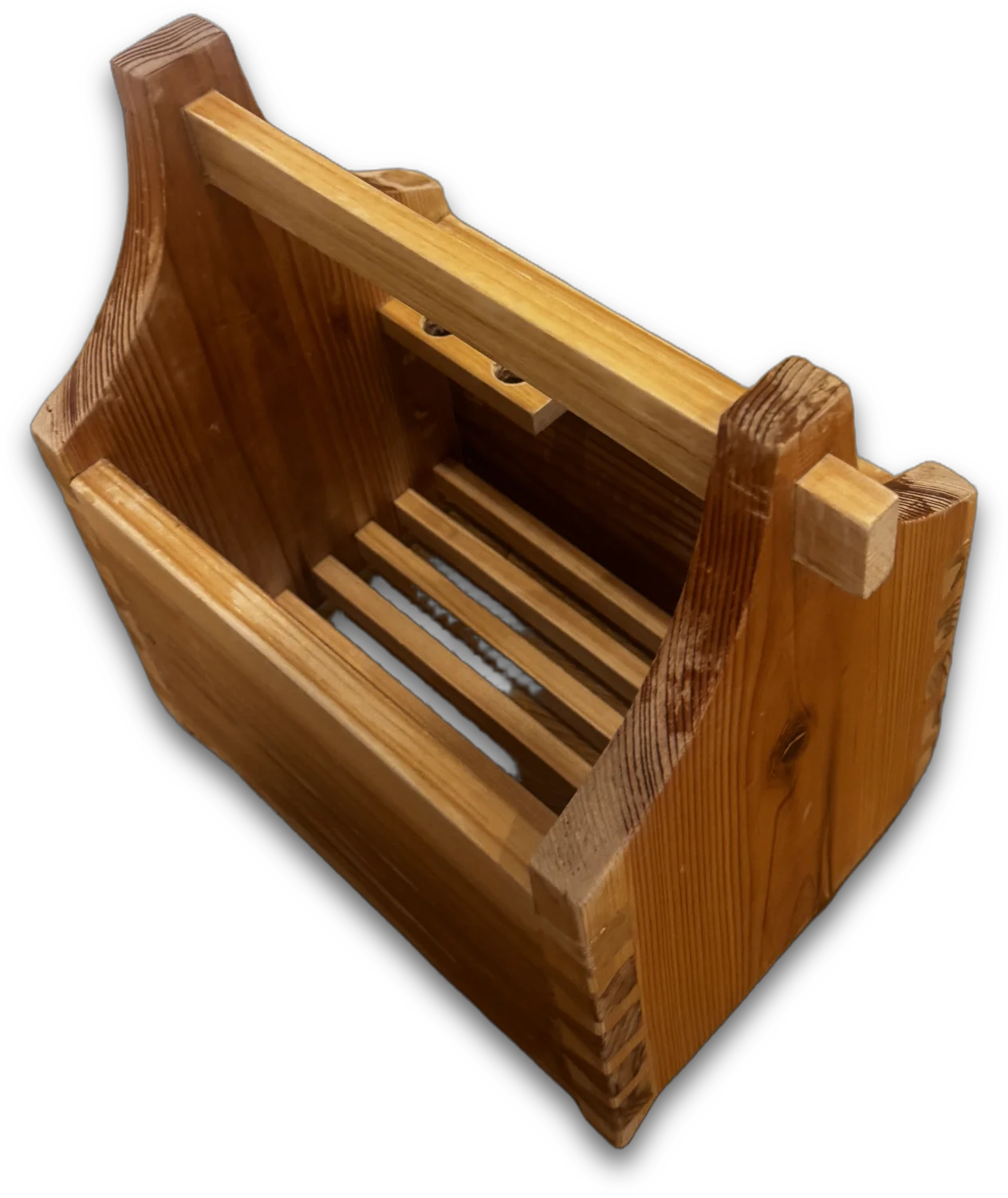
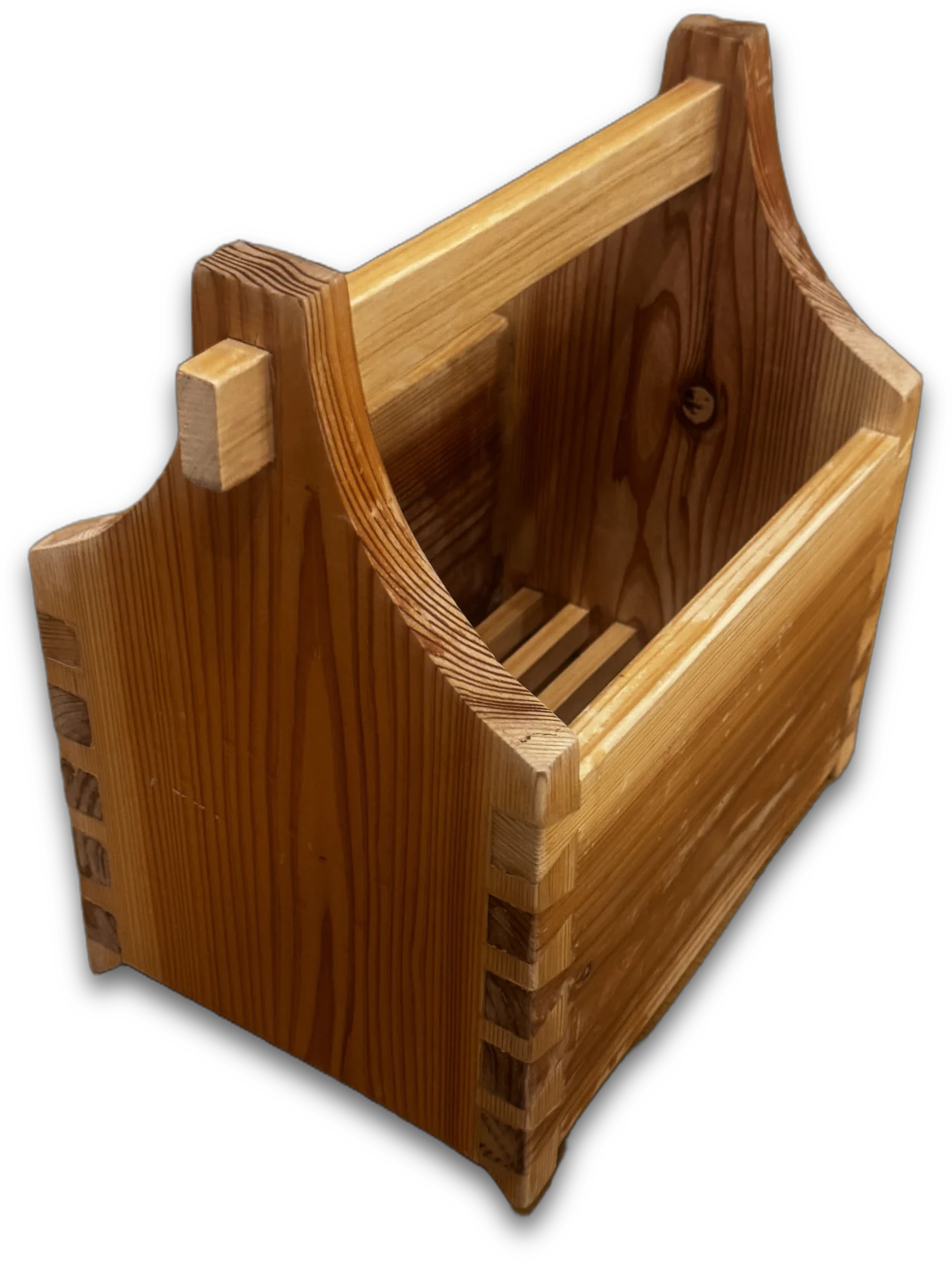
JINDAI TOTE — 001 The Jindai Tote, prototype — a handmade bath tote

A photograph of the prototype. The first edition will be finished in Japanese hinoki cypress.

Origin

Water. Carry. Bond.*

The name Jindai begins in the west of Tokyo, at a temple called Jindaiji.

The temple's founding is remembered as a love story. A man loved a young woman. Those who forbade the two hid her away on an island in the middle of a lake. The man prayed to the god of the water. The god sent a sacred turtle, which took him upon its back and carried him across. They were joined; and the child born to them, in gratitude, founded the temple.

Water. Carrying. The bond between people. The three things a bag is for are woven into this name from the very beginning.

We are not borrowing the story. We are writing what comes next.

After the founding legend told at Jindaiji.

The First Work

Carry you a thousand years.

HINOKI · EDITION OF 10

Drag to turn — 3D CG image

01 — Carried apart

Wet and dry,
apart.

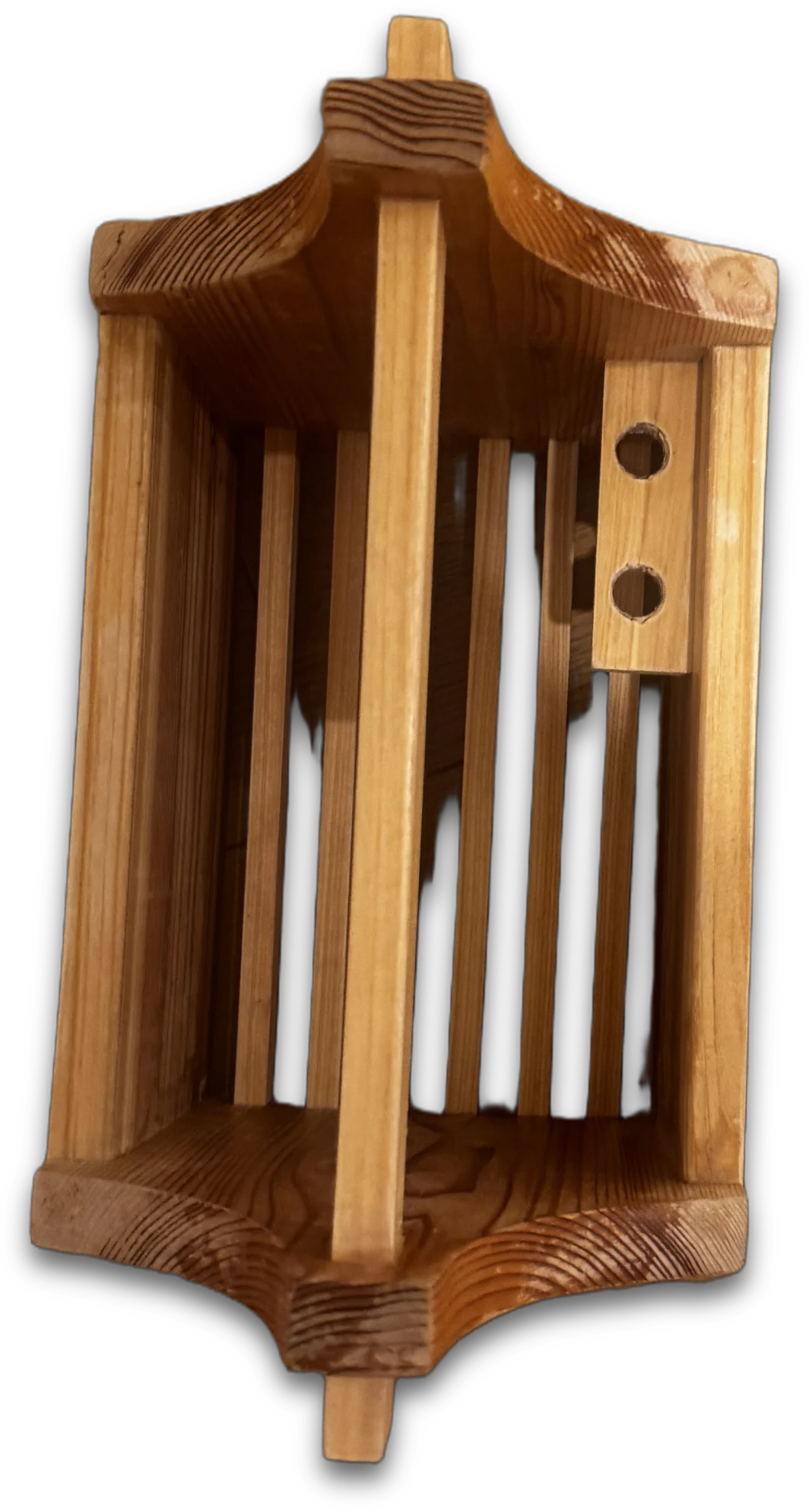
In Japan, bathing is not only washing. At the end of the day it is a small rite — a crossing from noise into quiet. A wet cloth and a dry change of clothes, carried apart; unbothered by the steam; opened easily in the changing room. A rite deserves a tool made for it.

Inside the Jindai Tote — slatted floor, divider, and tool holes (prototype)

Prototype · reference image

02 — The wood that welcomes steam

Hinoki — the wood the
bath itself is made of.

The tub, the pail, the bench — hinoki has lived in steam for a thousand years. Leather dislikes steam: it stains, stiffens, and can mould. So the Jindai Tote remakes the memory of the old bath basket, by hand, in Japanese hinoki.

The grain and interior of the Jindai Tote (prototype)

Prototype · reference image

03 — Its presence

At home on a cypress
bench, or on tatami.

You would rather not set a damp bag on the floor. The Jindai Tote stands on its own, holds its shape with its mouth open, and settles into wherever it is placed — the quiet presence of a tool that has always lived beside the water.

Two figures walking a lantern-lit lane at dusk (reference image)

Reference image

04 — By hand

Only ten.
Joined by hand.

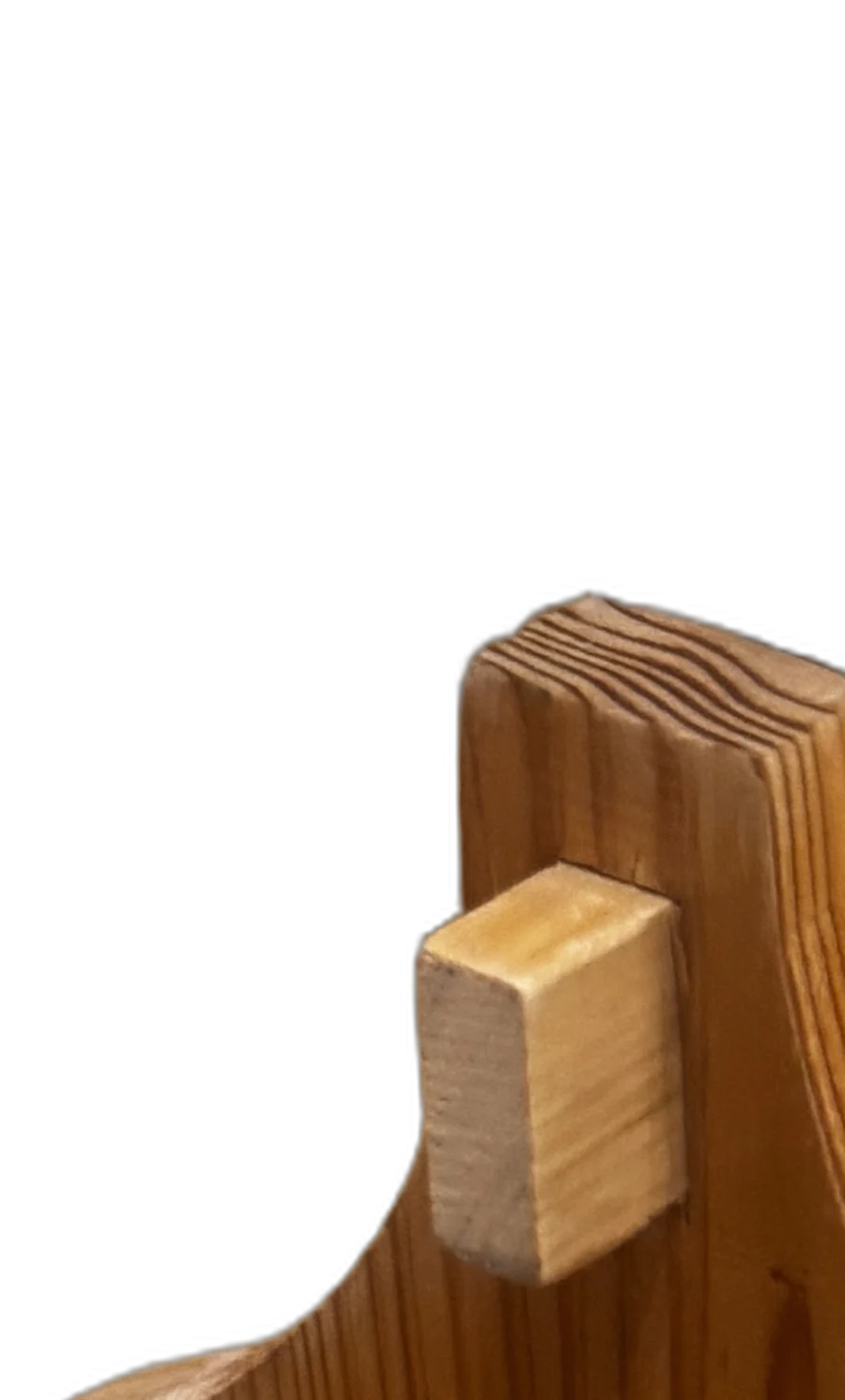
The first Jindai Totes are an edition of ten, each assembled by hand in Japan. Because the material is natural, the grain and colour differ from piece to piece. No two are the same.

Through-tenon joinery — a peg protruding from the end panel (prototype)

Prototype · reference image

Material & Age

Hinoki lives on after it is felled.

1300yrs
Hōryū-ji, founded in the 7th century, still stands on hinoki today.
200yrs
A wood said to keep gaining strength for some two hundred years after it is felled.
10pcs
The first edition: ten pieces only, each made by hand.

The Jindai Tote is designed for age. The more it is used, the deeper its colour and sheen; its scent settles, quietly. So that after a hundred baths, it is more beautiful still.

We use domestic wood, make things that last, and make few of them. Not throwing a thing away is the greatest respect we can pay the forest.

An outdoor bath at dusk, regulars beyond the steam (reference image)

Reference image — everything, in time, turns amber.

Provenance

Jindaiji is an old temple, said to have been founded in the year 733 (Tenpyō 5) by the monk Mankō Shōnin. Its name comes from Jinja Daiō, a god of water; it is loved still as a temple of bonds. Spring water has never stopped rising in and around its grounds — it is milled into the famous Jindaiji soba, and a natural hot spring rises nearby. For thirteen hundred years, the water has not stopped.

Jindai was born here, at the water's edge — beside Jindaiji, in Chōfu, in the Tama area west of Tokyo. We make by hand, in Japan, and we sell first beside the water. We carry on this land's story of water in the things we make, day by day.
Milestones

Small, and sure.

  1. The brand is named "Jindai," after Jindaiji in Chōfu.

  2. Development begins on the first work, the Jindai Tote.

  3. After a prototype, production of the first edition of ten begins — in progress now.

  4. Planned

    A first in-person sale is planned at the Jindaiji handmade market and similar occasions. Dates and places will be announced here once confirmed.

Where to Find

First, from beside the water.

¥23,000 (tax incl.) First edition of 10 — in production, July 2026
ItemThe Jindai Tote
MaterialJapanese hinoki cypress
MadeMade in Japan. Small-batch, by hand.
DesignMade for the water — carries wet and dry apart.
CharacterA natural material; grain and colour vary from piece to piece.
Price¥23,000 (tax included)
First edition10 pieces (in production, July 2026)
In person only, for now — online sales are in preparation.

The first edition of ten will be sold in person to begin — at the Jindaiji handmade market and at pop-ups in hot-spring towns. We are not yet taking shipping or online orders.

Be told when it goes on sale — Waitlist

Leave your email — we'll tell you one week before a sale

Send us a note from the link above (an empty email is fine). Once a place and date are set, we'll be in touch one week before. We use it only for that.
Inquiries: info@treehd.co.jp / +81 80-2718-0099 (weekdays 10:00–18:00; email preferred).
For full sale terms, see the legal notice (Japanese).